skip to main
|
skip to sidebar
29.5.09
Living
:
Real Tennis
. An indoor sport favoured by
the fleet-footed Henry VIII. Chaucer, too, was known
to ask "but canstow playen racket, to and fro?"
Racquets available at
Jesmond Dene
.
28.5.09
Game, set & match
: René Lacoste,
with the first appliquéd trademark, applied
to the the first piqué sports shirt, 1933.
27.5.09
Living
: Copper plate steel engraving
at
Dempsey & Carroll
, established 1878.
26.5.09
Alive and kicking
: The country club.
22.5.09
Living
: Terra cotta roof tiles. The Greeks discovered
that by molding clay around a pipe or human thigh they
could keep out rain more efficiently than with thatch.
Photograph by
Fuori Borgo
.
21.5.09
Living
: Avarcas. Made of cowhide and old tyres,
this traditional Catalan sandal is the eco flip flop.
Available at
Ancient Industries
.
20.5.09
Living
:
The Chelsea Flower Show
, since 1862.
Best
courtyard garden: the Fenland Alchemist garden.
19.5.09
Living
:
Slewing.
The use of multiple strands
of woven willow to create a wattling effect.
Photograph by
Chris Draper
.
Living
:
Wattling
, a perishable woven willow fence,
popular in Medieval gardens and still in use today.
18.5.09
Living
: The
barbecue
.
Again, Primitive Man and all that.
15.5.09
Living
: Stencils. If pre-historic caves
are to be believed, then human hands
were the first form of stencil, followed
a bit later by the written word.
14.5.09
Living
: Red, from Old English
read
.
Heat, energy, blood, anger, passion, love.
Photograph by Madame Yevonde, 1932.
13.5.09
Living
:
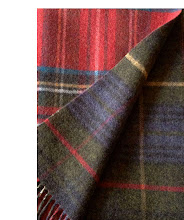
Ian Mankin
, natural and organic fabrics.
Woven in an ancient family owned mill in Lancashire.
12.5.09
Yew, Wightwick Manor, Wolverhampton
Yew, Packwood House, Warwickshire
Box, Kingston Lacy, Dorset
Living
: Topiary, from
topiarus
, Latin, Roman, &c.,
Pliny the Elder and the Younger were simply mad for it.
Photographs from the
National Trust Photo Library
.
11.5.09
Jane, 2009
Henry, 1999
Living
: Pet portraits.
Kings did it, knaves did it,
Even men who lived in caves did it.
Above portraits by
Duncan Hannah
.
8.5.09
300SL Gullwing Coupe, 1954
300SL Panamericana, 2009
Livin
g
: Gullwing, or Flügeltüren, by Mercedes-Benz.
7.5.09
Corduroy, c.1945
Cotton, corduroy, sacking materials, c.1950
Cotton and synthetic knits, c.1965
Living
:
The American quilt
. Made popular with
the introduction of mass-produced textiles in the
1840s and still made today. Courtesy of
Inchmark
.
6.5.09
Frizz top horsehair bar wig
Black metal upright wig case
Living
: The barrister's wig, adopted soon after
Charles II made the wig fashionable in England.
Available at
Ede and Ravenscroft
, est 1689.
5.5.09
Maija and Kristin Isola,
Dombra
, 1960
Living
:
Marimekko
, since 1951.
Stridently modern, unabashedly antique.
4.5.09
Living
:
Richard Baker
,
paperbacks, gouache on paper.
1.5.09
Matisse, 1940s
Lino mounted on wood backing
Barron and Larcher, 1920s
Living
: The linocut. When linoleum* was invented in
1860 it was soon taken up by artists and textile designers
as a more pliable carving material than wood.
*linum: flax, oleum: oil
Newer Posts
Older Posts
Home
Subscribe to:
Posts (Atom)
contributors
News from Nowhere
and Reed Wilson
VISIT OUR online US SHOP
VISIT OUR online UK SHOP
we also sell provisions
hey, Why not
join our mailing list
Read posts by Kendra at
and at
Read all about AIUK at
AIUK * News from Nowhere *
* Potted Histories No. 6 *
view our products at
get a taste of us at
Top 10 Fashion Blog
And at
hons + counter hons
365 blanc
a bloomsbury life
a little bird
all things considered
beyond, deux
bini chic
blackpitts garden
evening star
fuori borgo
gardenista
hollister hovey
jakubowski
jane brocket
leslie williamson
mary caple
mrs. easton
news from nowhere
persephone post
remodelista
rosa pomar
trainspotters
Alter ego
my book covers
soror gemina
news from nowhere
sartorial nephew
belt and braces
a terrific hon
duncan hannah
curriculum vitae
View my complete profile
.JPG)